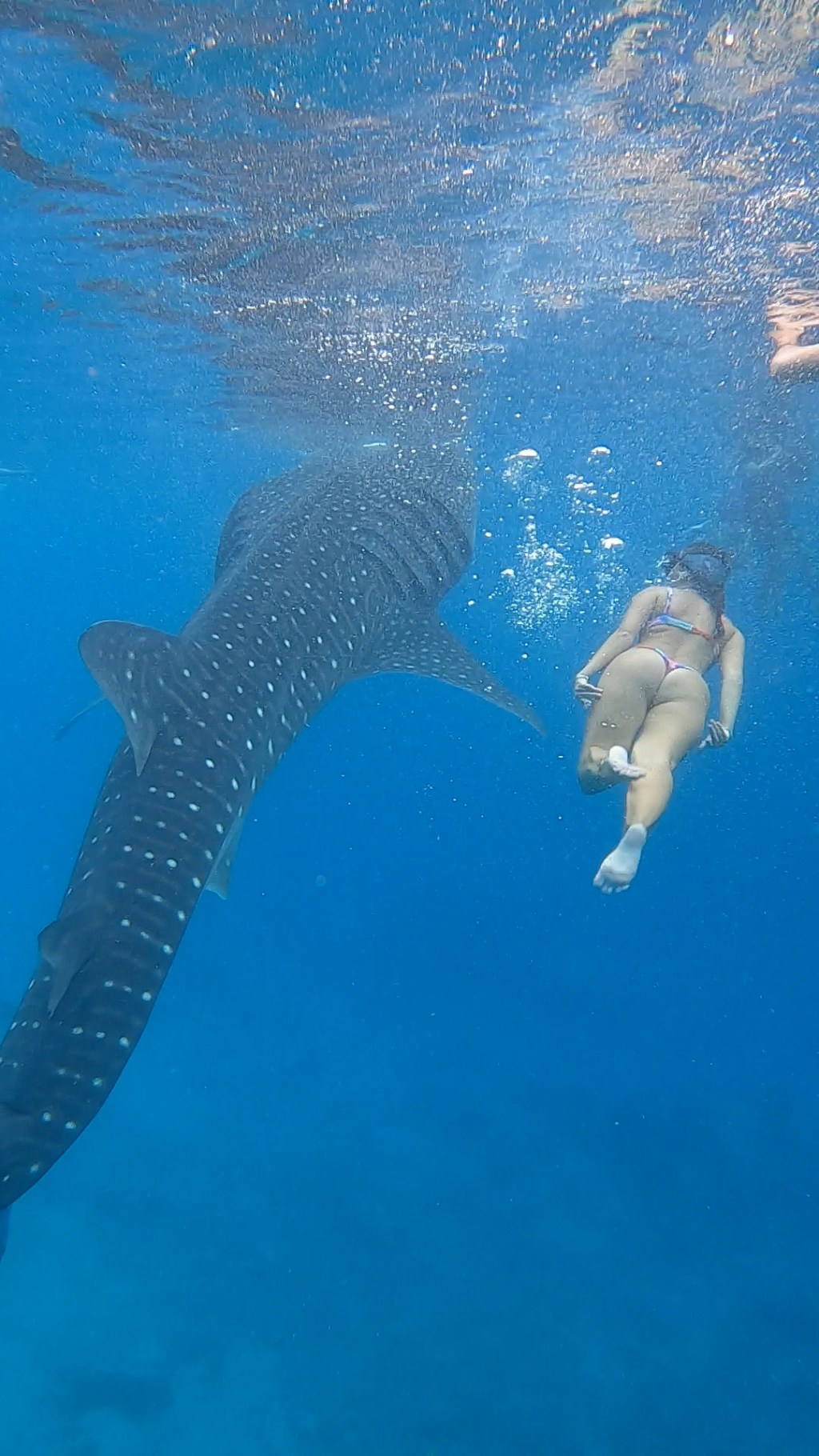
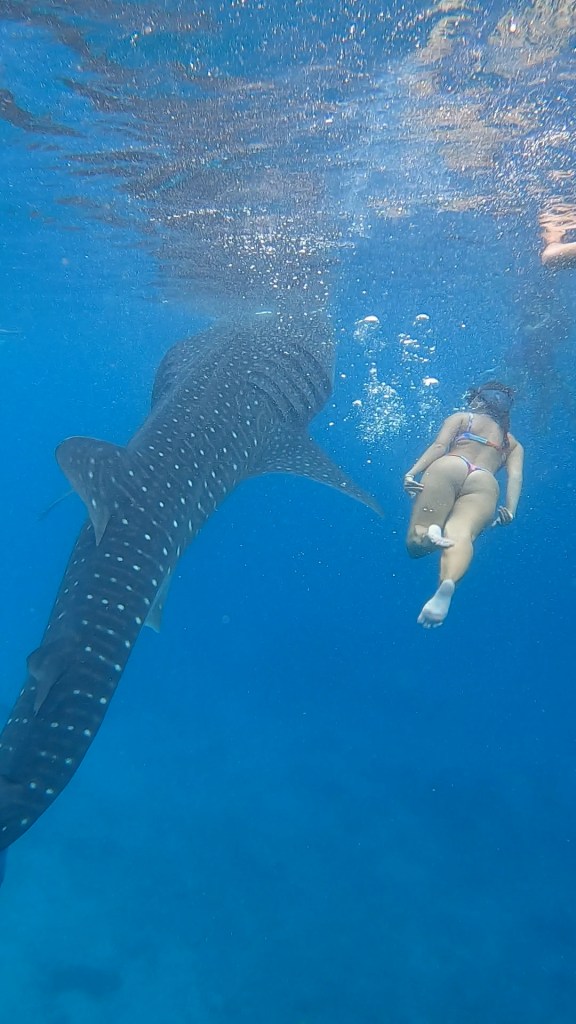
Swimming with whale sharks is undoubtedly an awe-inspiring experience that I believe will change how you view the ocean for the rest of your life. These gentle giants, with their immense size and graceful presence, captivate you as they glide through the water. They are filter feeders and despite the name, pose little threat to anyone who jumps in the water with them. However, when it comes swimming with these magnificent creatures, the destination chosen holds significant ethical implications. Recently, the town of Oslob, Cebu has raised ethical concerns among conservationists and marine biologists. As you can see from the picture, I have done this activity myself and so cannot tell you to completely avoid Oslob. However, I wish I researched a little more before heading to this coastal village. This blog will explore the reasons why swimming with whale sharks here may be considered a bad choice and alternate locations where the practices are considered more ethical.
Feeding disruption
Any activity in the ocean that guarantees an encounter with a specific marine creature generally means that they are luring the animals with the provision of food. In Oslob, local fishermen feed whale sharks This disrupts the natural behaviour and migration patterns of these majestic creatures. Further, the constant presence of boats and feeding platforms can lead to an unnatural dependence on humans for food, potentially affecting their long-term survival. This can also have a cascading effect on the rest of the ecosystem as the natural feeding patterns are changed for other marine animals too.
Stress and health risks
Despite their size, whale sharks are highly sensitive creatures. The regular exposure to large numbers of tourists crowding around them in Oslob can cause significant stress to the animals. Stress lowers the immune system and can make them more susceptible to diseases. Moreover, the close proximity to boats and snorkelers increases the risks of collisions and injuries. When swimming with whale sharks, it can be tempting to reach your hand out and stroke them. However, they have a protective mucus layer that protects the animal from parasites and bacteria. Our hands, and our natural oils, will affect that protective layer.
Ecological impacts
The influx of large numbers of tourists and boats in a small area can have significant environmental consequences. The increased pollution from boat engines, improper waste disposal, and overcrowding can harm the already delicate marine ecosystem.
In order to present a well-rounded argument, emphasising the positive effects of whale shark presence in a small community like Oslob is crucial. It is highly likely that the absence of whale sharks in this quaint fishing town would significantly reduce the number of tourists visiting. It is a common understanding that an increase in tourism translates to a boost in economic prosperity for the area. If every person decided to boycott Oslob, the town will suffer greatly. Striking a balance between safeguarding the marine environment and facilitating human development proves to be a challenge.
Alternate locations
If you are still passionate about swimming with whale sharks but wish to do so in a more ethical and responsible manner, there are alternative locations you can consider. Destinations such as Donsol in the Philippines, Isla Mujeres in Mexico, or Ningaloo Reef in Australia offer opportunities to observe and swim with these majestic creatures in their natural habitats. In these locations, the encounters are strictly regulated to minimise the impact on the whale sharks and their surroundings. Entering the habitat of a wild animal is always going to raise concerns. However, in these particular destinations the emphasis is on promoting responsible tourism practices that prioritise the well-being and conservation of these incredible creatures.
Conclusion
While the allure of swimming with whale sharks in Oslob, Cebu, may be tempting, it is crucial to consider the implications of our actions. We are presented with an ethical dilemma as while you will be contributing economically to a small town, the negative environmental consequences may outweigh the positive aspects. By seeking out alternative locations that prioritise the well-being and conservation of these magnificent creatures, we can ensure that our encounters are both memorable and responsible.

 Amiego